The (coding) vibes have shifted
Guest writers
Its 2026 and the coding vibes have definitely shifted
As I wrote in Its Time To Let The Model Drive, the latest generation of models have hit some invisible line where they went from "meh, they're okay" to "holy crap they're really good". Over the break you could see this unfolding as bored devs off from work finally decided to check out what all the buzz was about and use these models to build stuff.
If you go on twitter, the vibes have definitely shifted. People are completely shocked at how good they've gotten. Particularly Opus 4.5 and GPT 5.2 Codex have been blowing minds.
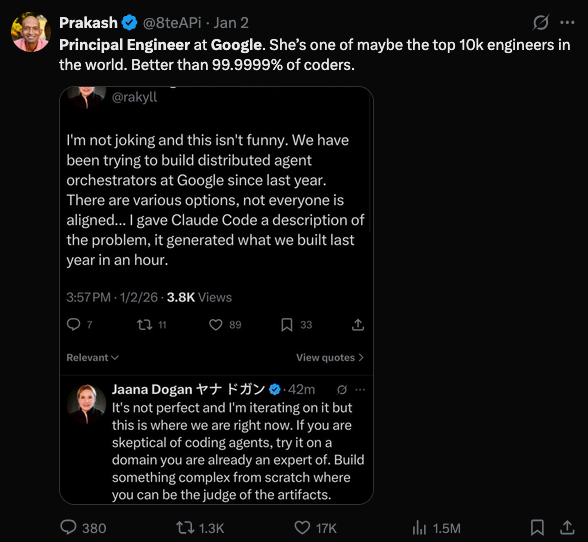
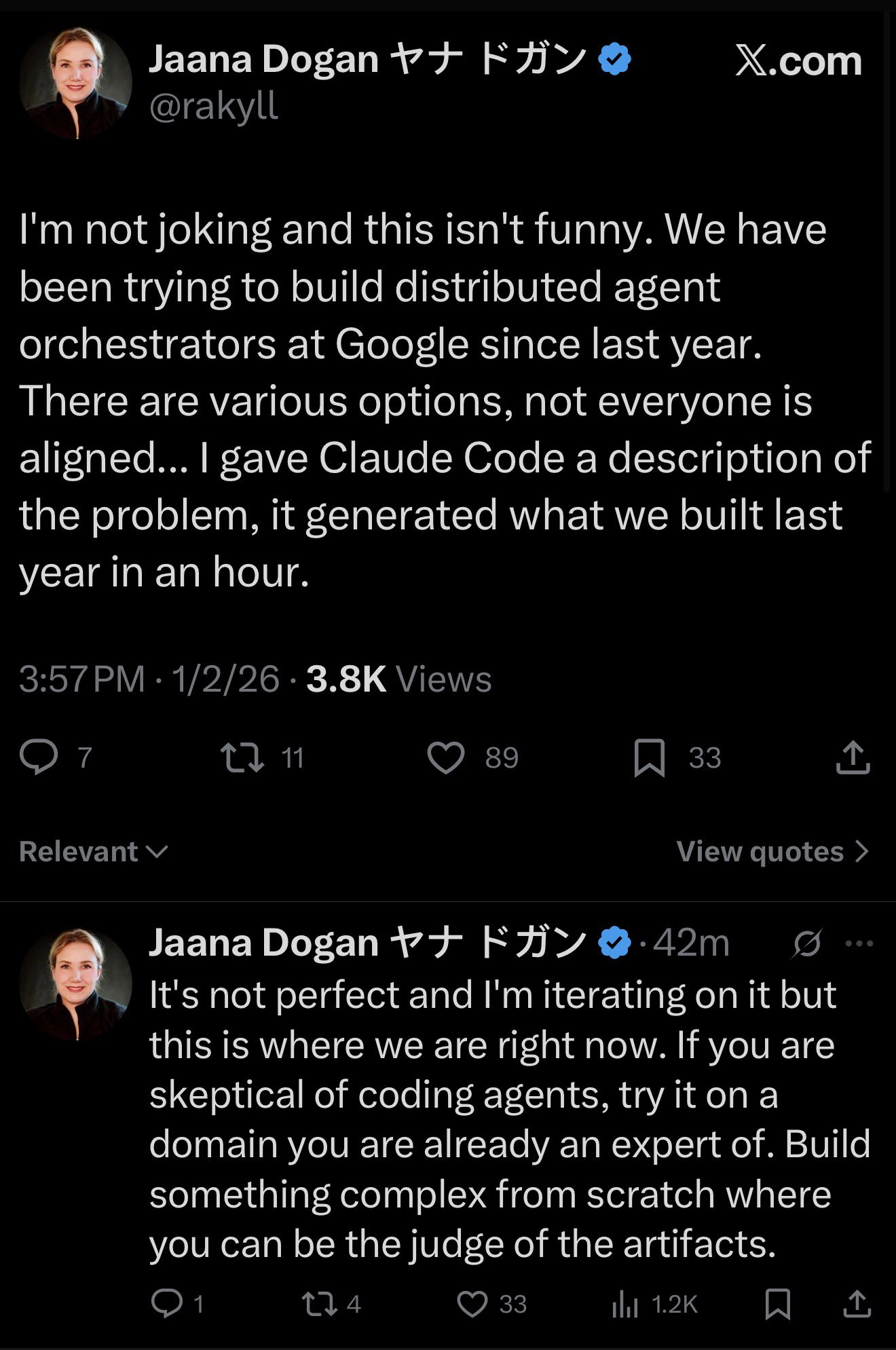
Its caused quite the divide in the developer community with some on the vibe coding bandwagon, some begrudgingly starting to acknowledge that this is the future, and some staunchly against it.
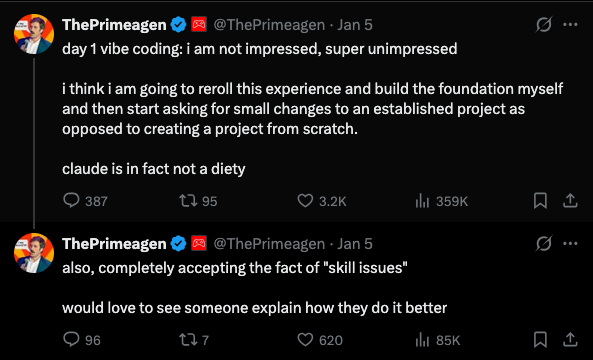
But its pretty clear that vibe coding is here to stay and that coding agents are a force multiplier.
Joining the flock
Over the break I too joined the flock of developers working on side projects. I spent $500 in subscriptions and API credits building Familiar Fleet. I averaged 5-6 hours a sleep per night, the rest of the time was spent managing multiple agents building out various features in Fleet. It's been a long time since I've felt this compulsion to build something, and I haven't had this much fun in a long time.
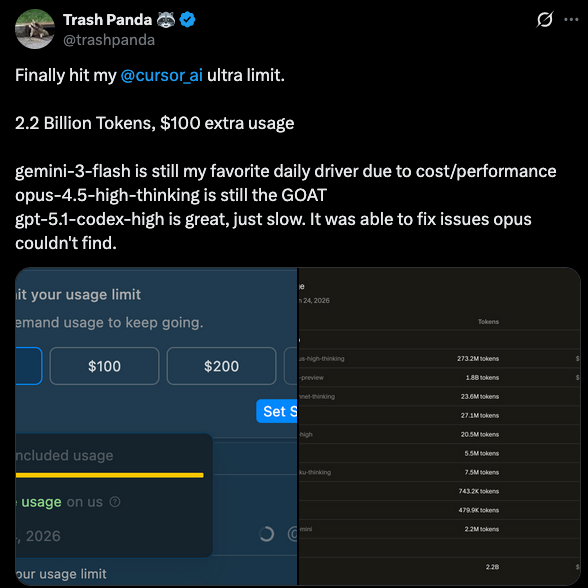
I maxed out a $200 Cursor Ultra plan in 1 week pushing out 2.2B tokens.
I went into this project with only 1 rule. This is going to be a fully vibe coded app. I would not write any code.
So far, it's been working pretty well.
Fleet is a desktop app built with Rust (Tauri) + Typescript + Tailwind + Golang (backend). Its an agent orchestration system meant for non-developers and provides a nice interface to spin up agents. I'm actually not sure who its for, but I think the agent paradigm is very powerful and I think non-developers can get a lot of value from it, so I want to put this into the world.
Product Development
I went into building fleet with a really basic idea. "Claude code for normies". The hardest part about building something so vague is that you have no idea what works. What does it even mean? What do normal people even want? Are agents even useful to non-developers? Who are the people that would benefit from it?
The thing I really love about vibe coding is that it gives you the ability to iterate on the product very quickly. You can change something within minutes that might have taken me hours or days in the past to code. The ability to touch, feel, and interact with the thing I'm building makes all the difference when exploring a new space.
This is an important distinction that people online keep missing and arguing past each other about.
If your priority is to build stable, high quality systems, you probably don't want to hands-off vibe code your application.
However, if you're working on a startup that doesn't have product market fit, the ability to vibe code something and get it in front of people very quickly means that you get that many more chances to refine your ideas and build something that fits user's needs. It also means you get many more chances to get it right before you run out of resources.
Where do we go from here?
Ultimately, there is going to be more software in the world. Some will be good, some will be bad. The barrier to entry to develop is lower than ever. That's probably a good thing, as more people will be able to build and produce value. It also means change in the world, and in our industry. It's just a fact of life.
It's 2026 and the Coding Vibes Have Definitely Shifted
As I wrote in It's Time To Let The Model Drive, the latest generation of models crossed an invisible line—from "meh, they're okay" to "holy crap they're really good." Over the break, bored devs off work finally decided to see what all the buzz was about and use these models to build stuff.
On Twitter, the vibes have shifted. People are shocked at how good they've gotten. Opus 4.5 and GPT 5.2 Codex in particular have been blowing minds.
This has split the developer community: some are all-in on vibe coding, some are begrudgingly acknowledging this is the future, and some remain staunchly against it.
But it's clear: vibe coding is here to stay. Coding agents are a force multiplier.
Joining the Flock
Over the break I joined the flock of developers working on side projects. I spent $500 in subscriptions and API credits building Familiar Fleet. I averaged 5-6 hours of sleep per night. The rest was spent managing multiple agents building out features. It's been a long time since I've felt this compulsion to build, and I haven't had this much fun in years.
I maxed out a $200 Cursor Ultra plan in one week, pushing 2.2B tokens.
I went in with one rule: this would be a fully vibe-coded app. I would not write any code.
So far, it's working.
Fleet is a desktop app built with Rust (Tauri), TypeScript, Tailwind, and Golang on the backend. It's an agent orchestration system for non-developers—a nice interface to spin up agents. I'm not entirely sure who it's for yet, but I believe the agent paradigm is powerful and non-developers can extract real value from it. I want to put this into the world.
Product Development
I started Fleet with a vague idea: "Claude Code for normies." The hardest part about building something so undefined is not knowing what works. What does that even mean? What do normal people want? Are agents useful to non-developers? Who benefits?
What I love about vibe coding is the ability to iterate on the product rapidly. You can change something in minutes that would have taken hours or days to code manually. The ability to touch, feel, and interact with what I'm building makes all the difference when exploring a new space.
This is an important distinction people online keep missing—they argue past each other.
If your priority is stable, high-quality systems, you probably don't want to hands-off vibe code your application.
But if you're working on a startup without product-market fit, vibe coding gets things in front of users fast. You get more chances to refine ideas and build something that fits user needs. You get more shots at getting it right before running out of resources.
Where Do We Go From Here?
There will be more software in the world. Some good, some bad. The barrier to entry is lower than ever. That's probably a good thing—more people building, more value produced. It also means change in our industry.
It's just a fact of life.
It's 2026 and the Coding Vibes Have Definitely Shifted
As I wrote in It's Time To Let The Model Drive, the latest generation of models crossed an invisible threshold—from "meh, they're okay" to "holy crap they're really good". Over the break, bored devs finally checked out the buzz and used these models to build stuff.
The vibes on Twitter have shifted. People are shocked at how good they've gotten. Particularly Opus 4.5 and GPT 5.2 Codex.
This has divided the developer community. Some have jumped on the vibe coding bandwagon, some begrudgingly acknowledge this is the future, and some remain staunchly against it.
But it's clear: vibe coding is here to stay and coding agents are a force multiplier.
Joining the Flock
Over the break I joined the flock of developers working on side projects. I spent $500 in subscriptions and API credits building Familiar Fleet. I averaged 5-6 hours of sleep per night. The rest was spent managing multiple agents building out features. It's been a long time since I've felt this compulsion to build something.
I maxed out a $200 Cursor Ultra plan in 1 week pushing out 2.2B tokens.
I went into this project with one rule: fully vibe coded. I would not write any code.
So far, it's working well.
Fleet is a desktop app built with Rust (Tauri) + TypeScript + Tailwind + Golang (backend). It's an agent orchestration system for non-developers with a clean interface to spin up agents. I'm not sure who it's for exactly, but the agent paradigm is powerful and non-developers can extract value from it.
Product Development
I started building Fleet with a basic idea: "Claude code for normies". The hardest part about building something this vague is not knowing what works. What does it even mean? What do normal people want? Are agents useful to non-developers? Who would benefit?
What I love about vibe coding is the ability to iterate on the product quickly. You can change something in minutes that might have taken hours or days to code. The ability to touch, feel, and interact with what you're building makes all the difference when exploring new space.
This is an important distinction people online keep missing.
If your priority is building stable, high quality systems, you probably don't want to hands-off vibe code your application.
However, if you're working on a startup without product-market fit, the ability to vibe code something and get it in front of people quickly means more chances to refine your ideas and build something that fits user needs. It means more chances to get it right before you run out of resources.
Where Do We Go From Here?
Ultimately, there will be more software in the world. Some good, some bad. The barrier to entry for development is lower than ever. That's probably a good thing—more people will be able to build and produce value. It also means change in our industry. It's just a fact of life.
It's 2026 and the Coding Vibes Have Shifted
As I wrote in It's Time To Let The Model Drive, the latest generation of models crossed an invisible threshold. They went from "meh, they're okay" to "holy crap they're really good."
Over the break, bored developers finally checked out what all the buzz was about. They started building.
The shift is unmistakable on Twitter. People are shocked at how capable these models have become. Opus 4.5 and GPT 5.2 Codex are particularly blowing minds.
This has fractured the developer community. Some are riding the vibe coding wave. Some are begrudgingly accepting the inevitable. Some are staunchly opposed.
But the trajectory is clear: vibe coding is here to stay, and coding agents are a force multiplier.
Joining the Flock
I spent the break building Familiar Fleet. I burned through $500 in subscriptions and API credits. I averaged 5-6 hours of sleep per night, managing multiple agents building features. I haven't felt this compulsion to build in years.
I maxed out a $200 Cursor Ultra plan in 1 week, pushing 2.2B tokens.
I set one rule: this would be fully vibe coded. I would not write any code.
It's working.
Fleet is a desktop app built with Rust (Tauri) + TypeScript + Tailwind + Golang (backend). It's an agent orchestration system for non-developers—a clean interface to spin up agents. I'm not entirely sure who it's for, but I believe the agent paradigm is powerful enough that non-developers can extract real value from it.
Product Development
I started with a vague idea: "Claude Code for Normies." The problem with vagueness is you have no idea what works. What does that even mean? What do normal people want? Are agents useful to non-developers? Who benefits?
Vibe coding's real superpower is iteration speed on the product itself. Changes that once took hours or days now take minutes. Being able to touch, feel, and interact with what you're building makes all the difference when exploring new territory.
This distinction gets lost in online arguments.
If you're building stable, high-quality systems, hands-off vibe coding is probably wrong for you.
But if you're a startup without product-market fit, the ability to vibe code and get something in front of users quickly means more chances to refine ideas and match user needs. More chances to get it right before resources run out.
Where We Go From Here
There will be more software in the world. Some good, some bad. The barrier to entry is lower than ever. More people will build and produce value.
Change is coming. It's already here. That's just how it is.
The Shift to Vibe Coding
The coding landscape has fundamentally shifted. As I noted in It's Time To Let The Model Drive, LLMs crossed an invisible threshold from "capable" to "exceptional." Over the recent holiday break, bored developers finally stress-tested the latest iterations—specifically Opus 4.5 and GPT 5.2 Codex. The results have been transformative.
The industry is currently divided. One camp has fully embraced "vibe coding," another is begrudgingly accepting it as the inevitable future, and a vocal minority remains staunchly opposed.
Regardless of the friction, one thing is clear: coding agents are a massive force multiplier.
Joining the Flock
I spent my break building Familiar Fleet. I invested $500 in subscriptions and API credits, surviving on five hours of sleep while managing a small army of agents. I haven't felt this level of building compulsion in years.
I maxed out a $200 Cursor Ultra plan in one week, pushing 2.2B tokens.
I set one strict constraint: zero manual coding. I would act solely as the orchestrator.
The result is a functional desktop application built with Rust (Tauri), TypeScript, Tailwind, and a Go backend. Familiar Fleet is an agent orchestration system designed for non-developers. While the specific target audience is still emerging, the power of the agent paradigm for non-technical users is undeniable.
Rapid Product Iteration
The project began with a vague prompt: "Claude Code for normies." In a traditional development cycle, exploring such a broad concept is expensive and slow. You don't know what users want until they can touch the product.
Vibe coding shifts the focus from implementation to product development. Features that previously required days of manual labor now materialize in minutes. This speed allows for a tighter feedback loop. When you can iterate this quickly, the distance between a raw idea and a tangible UI vanishes.
This is the nuance critics often miss. If your goal is to maintain a legacy system with 99.99% uptime, hands-off vibe coding isn't the tool. But if you are a startup searching for product-market fit, vibe coding is a superpower. It grants you more "at-bats" to refine your vision before you run out of capital.
The Future of Software
The barrier to entry has collapsed. We are entering an era of software abundance. While this will inevitably lead to a mix of high-quality tools and digital noise, the net benefit is clear: more people can now translate ideas into value.
The industry is changing. You can either leverage the multiplier or get left behind by those who do.